nickla

About nickla
Posts by :
Is Clean Beauty Worth the Hype?
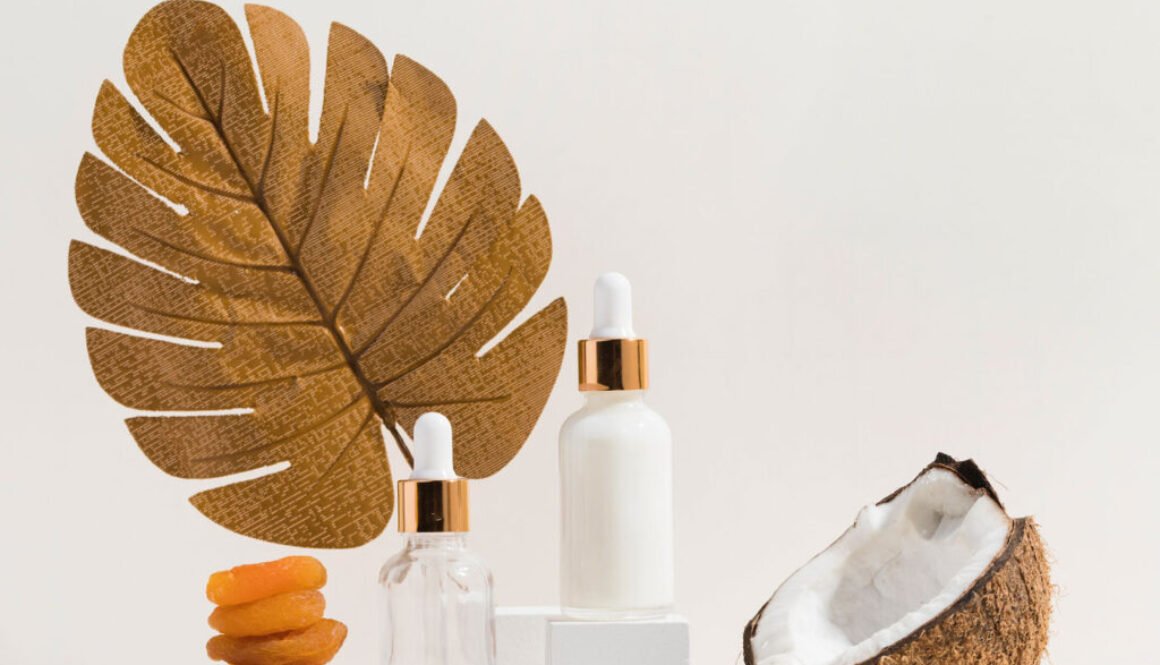
Over the past few years, clean beauty has become one of the biggest trends in the cosmetic industry. From skincare to makeup, more brands are focusing on using natural and non-toxic ingredients. But is clean beauty really better for your skin, or is it just another marketing trend? Let’s break it down.
What Is Clean Beauty?
Clean beauty refers to products formulated without potentially harmful or controversial ingredients such as parabens, sulfates, phthalates, synthetic fragrances, and artificial dyes. Many clean beauty brands also prioritize cruelty-free and sustainable packaging.
Popular clean beauty brands include:
- Ilia Beauty (known for skin-friendly, high-performance makeup)
- RMS Beauty (uses organic, food-grade ingredients)
- Beautycounter (advocates for stricter safety regulations in beauty products)
Does Clean Beauty Work Better?
While clean beauty is often marketed as safer and better for your skin, the effectiveness of a product depends on its formulation. Some synthetic ingredients are not harmful and actually improve performance, while some natural ingredients can cause irritation (e.g., essential oils).
Pros of clean beauty:
✔ Fewer harsh chemicals that could irritate sensitive skin
✔ Often includes beneficial botanical extracts and antioxidants
✔ More environmentally friendly and cruelty-free
Cons of clean beauty:
✘ Lack of regulation—terms like “clean” and “natural” are not standardized
✘ Some formulas may be less effective than traditional cosmetics
✘ Can be more expensive than mainstream beauty products
Should You Switch to Clean Beauty?
If you have sensitive skin, allergies, or prefer eco-conscious products, clean beauty might be a great choice. However, always read ingredient lists and research brands rather than relying on marketing claims. The best beauty products, whether clean or not, are the ones that work for your skin.
Skincare Before Makeup: Why Prep Matters
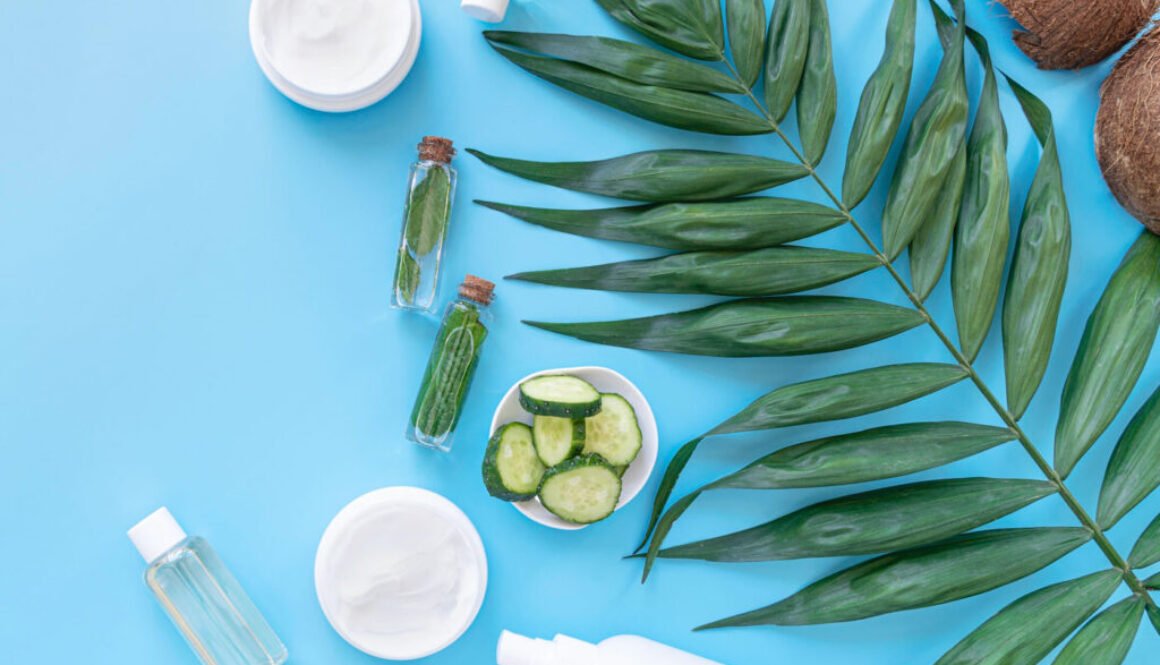
If you’ve ever struggled with patchy foundation, oily T-zones, or makeup that just won’t last, the problem might not be your products—it could be your skin prep. A well-prepped face provides the perfect canvas for makeup, helping it go on smoother, last longer, and look more natural. No matter your skin type, taking the time to prepare your skin before applying makeup makes a huge difference.
Step 1: Cleanse Your Skin
The first step to a flawless base is starting with clean skin. Overnight, oil, sweat, and bacteria build up on your face, making it essential to wash away impurities before applying makeup.
- For oily skin: Use a gel-based or foaming cleanser to remove excess oil and prevent clogged pores.
- For dry skin: Opt for a hydrating, cream-based cleanser to maintain moisture.
- For sensitive skin: A gentle, fragrance-free cleanser with soothing ingredients like aloe or chamomile is ideal.
Step 2: Tone to Balance the Skin
A toner helps remove any leftover residue from cleansing while restoring your skin’s natural pH balance. It also preps your skin to absorb moisturizers and serums more effectively. Look for alcohol-free toners with hydrating or clarifying properties, depending on your skin type.
Step 3: Hydrate with the Right Moisturizer
No matter your skin type, moisturizing is a crucial step before makeup application.
- For oily skin: Lightweight, oil-free gel moisturizers work best.
- For dry skin: Look for richer, cream-based formulas with hyaluronic acid for deep hydration.
- For combination skin: Use a balancing moisturizer that hydrates dry areas while controlling oil in the T-zone.
Applying moisturizer before foundation helps prevent makeup from clinging to dry patches or settling into fine lines.
Step 4: Apply a Primer for Longevity
Primer acts as a bridge between skincare and makeup. It smooths the skin’s texture, minimizes pores, and helps foundation adhere better.
- For oily skin: Use a mattifying primer to control shine.
- For dry skin: A hydrating primer with ingredients like glycerin or squalane will help maintain moisture.
- For large pores or uneven texture: A pore-filling primer blurs imperfections and creates a velvety finish.
Skipping this step can lead to creasing, fading, or excess oil breaking through throughout the day.
Step 5: Sun Protection (If Not Included in Makeup)
If your foundation doesn’t contain SPF, apply a lightweight sunscreen with at least SPF 30. This step is essential for preventing premature aging and sun damage. Choose a non-greasy, fast-absorbing formula to avoid interfering with your makeup application.

5 Budget-Friendly Makeup Dupes You Need to Try
Who says you have to spend a fortune to get high-quality makeup? Here are five amazing drugstore dupes for high-end favorites.
- Maybelline Fit Me Foundation → Dupe for NARS Sheer Glow
- e.l.f. Poreless Putty Primer → Dupe for Tatcha Silk Canvas
- NYX Butter Gloss → Dupe for Fenty Gloss Bomb
- Milani Baked Blush in Luminoso → Dupe for NARS Orgasm
- Wet n Wild Highlighting Powder → Dupe for Becca Champagne Pop
These affordable alternatives prove that great makeup doesn’t have to come with a hefty price tag!
How to Pick the Right Foundation Shade
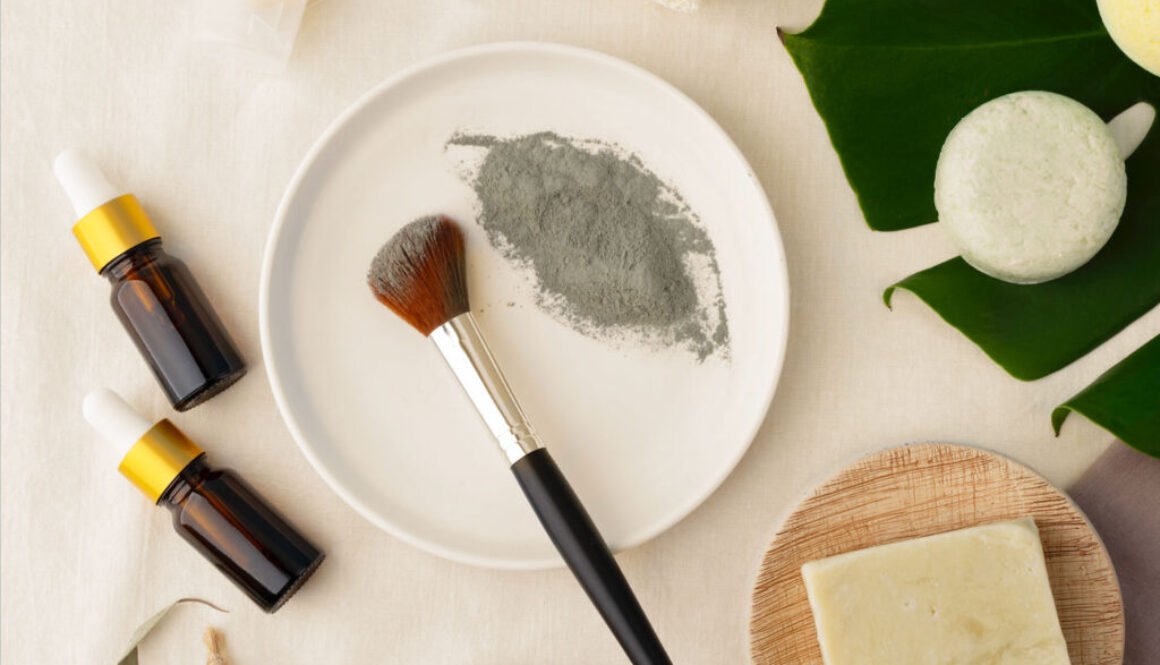
Choosing the right foundation shade can make or break your makeup look. The perfect shade should seamlessly blend into your skin, enhancing your complexion without looking too light or dark. Here’s how to find your match.
Step 1: Identify Your Undertone
Your undertone is the natural hue beneath your skin that affects how colors appear on you. The three main undertones are:
- Warm: Yellow, golden, or peachy tones
- Cool: Pink, red, or bluish tones
- Neutral: A mix of both warm and cool tones
To determine your undertone, check the veins on your wrist:
- Green veins? You likely have warm undertones.
- Blue/purple veins? You probably have cool undertones.
- A mix of both? You have neutral undertones.
Step 2: Swatch in Natural Light
Test foundation shades along your jawline, not your wrist. The right shade should blend into your skin without leaving a visible line. Always check in natural daylight to avoid mismatched tones.
Step 3: Consider Your Skin Type
- Oily skin: Go for a matte or oil-free foundation to control shine.
- Dry skin: A hydrating or dewy-finish foundation works best.
- Combination skin: A balanced foundation with a natural finish will even out both dry and oily areas.

The Best Brow Shapes for Your Face
Eyebrows frame your face and enhance your overall look. The right brow shape can complement your features, while the wrong one can throw off facial balance. Here’s how to find the best brows for your face shape.
Best Brow Shapes for Each Face Type:
- Round Face: High, arched brows add length and definition.
- Oval Face: Soft, slightly arched brows maintain harmony.
- Square Face: Slightly curved brows soften angular jawlines.
- Heart-Shaped Face: Rounded brows balance a pointed chin.
Brow Grooming Tips:
- Use a brow pencil or powder to fill in sparse areas.
- Brush brows upward for a natural lift.
- Avoid over-plucking—follow your natural brow shape as a guide.
Well-shaped brows can enhance your look effortlessly, making them an essential part of your beauty routine.
5 Must-Have Lipsticks for Every Skin Tone
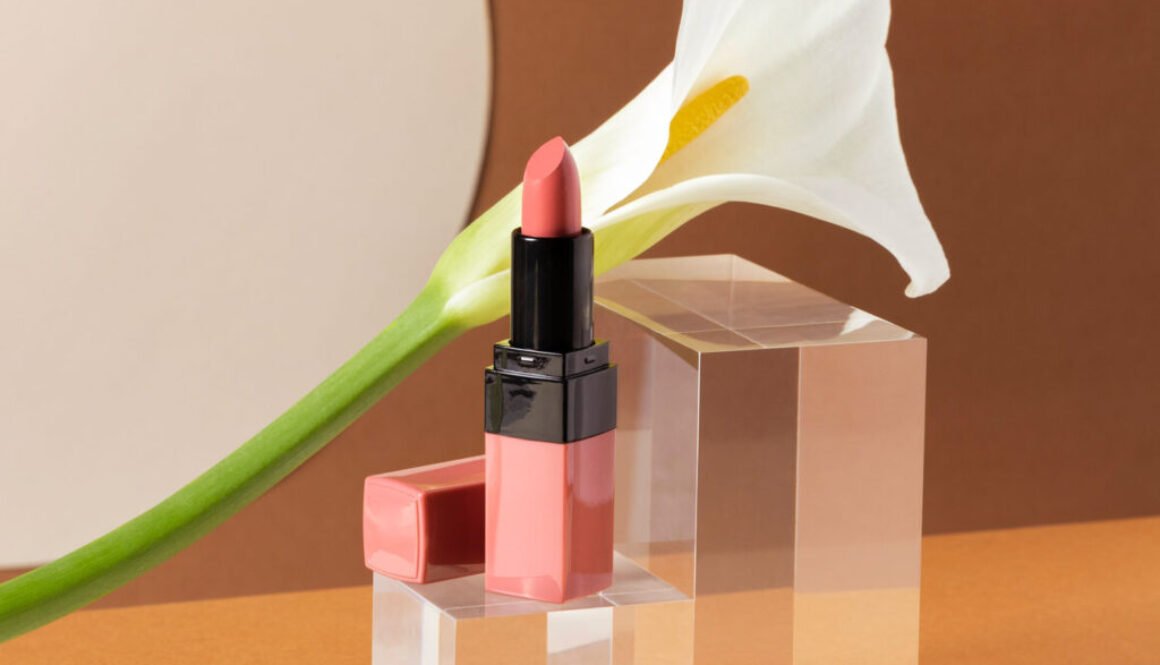
Finding the perfect lipstick shade can be challenging, especially when trying to choose a color that complements different skin tones. However, certain shades are universally flattering and work beautifully on a wide range of complexions. Whether you love a bold statement lip or a subtle, everyday shade, these five must-have lipsticks deserve a spot in your beauty collection.
1. Classic Red
A timeless red lipstick is a staple in every makeup kit. The key to finding a universally flattering red is to choose one with blue undertones rather than orange. Blue-based reds, such as MAC’s Ruby Woo or Fenty Beauty’s Stunna Lip Paint in Uncensored, make teeth appear whiter and complement all skin tones. This shade is perfect for a night out, a special occasion, or when you simply want to boost your confidence.
2. Mauve
Mauve is a fantastic everyday shade that works well on most skin tones. It sits between pink and purple, offering a natural yet polished look. This color is perfect for work, casual outings, and even formal events. Brands like Maybelline’s SuperStay Matte Ink in “Lover” and Charlotte Tilbury’s Pillow Talk provide excellent mauve options. This shade adds warmth to fair skin, enhances medium complexions, and gives deeper skin tones a soft, romantic touch.
3. Berry
A berry shade offers a beautiful pop of color without being overpowering. Whether you go for a deep plum or a soft raspberry hue, berry lipsticks add sophistication to any look. This color looks especially stunning in the fall and winter months but can also brighten up a summer makeup look. Try Revlon’s Super Lustrous Lipstick in “Berry Haute” or Lancôme’s L’Absolu Rouge in “Berry Noir” for a flattering, seasonless touch.
4. Nude
Nude lipstick is a must-have, but the key is choosing the right undertone. A good rule of thumb is to pick a nude with a slight pink or peach hue to avoid looking washed out. Fair-skinned individuals should opt for rosy nudes, while deeper skin tones should go for warm caramel or chocolate shades. Popular picks include NYX Soft Matte Lip Cream in “Stockholm” for light to medium skin and Fenty Beauty’s “Unveil” for deep skin tones.
5. Terracotta
This warm, earthy shade is a mix of brown and orange that flatters all skin tones. It provides a natural yet striking look, making it an excellent choice for daily wear. Terracotta shades complement both warm and cool undertones, bringing out natural beauty effortlessly. Huda Beauty’s Power Bullet in “Third Date” and MAC’s Matte Lipstick in “Taupe” are great options.

Gallery Layout
Mauris sit natoque dolor condimentum himenaeos curabitur imperdiet fringilla, mollis platea consequat consectetur. Risus sapien hac tristique. Praesent magnis cursus proin etiam condimentum hac. Viverra praesent, ad proin lorem est class blandit id maecenas felis. Metus dictum interdum parturient viverra magnis curae; id potenti tellus. Tempor massa ullamcorper est turpis molestie penatibus dictumst dui nam. Bibendum suspendisse mauris condimentum auctor mollis integer sagittis nascetur ante rutrum molestie. Himenaeos sociosqu aliquam porta magnis sodales nulla in etiam duis faucibus.

Slider Layout
Aenean dis mus arcu vel posuere porta tristique. Magnis maecenas cum maecenas suspendisse consectetur sed, scelerisque augue placerat ullamcorper. Augue torquent et dictumst lacinia at scelerisque turpis class pellentesque sodales cras lectus! Neque eu eget vitae suspendisse integer dapibus fermentum laoreet? Ullamcorper tristique facilisis ullamcorper phasellus nam semper scelerisque! Viverra ornare dignissim nam, molestie tortor scelerisque! Vehicula quam tempor imperdiet quisque. Quisque suscipit!

Split Layout
Officia deserunt mollitia animi, id est laborum et dolorum fuga. Et harum quidem rerum facilis est et expedita distinctio. Nam libero tempore, cum soluta nobis est eligendi optio cumque nihil impedit quo minus id quod maxime placeat facere possimus, omnis voluptas assumenda est, omnis dolor repellendus. Temporibus autem quibusdam et aut officiis debitis aut rerum necessitatibus saepe eveniet ut et voluptates repudiandae sint et molestiae non recusandae. Itaque earum rerum hic tenetur a sapiente delectus, ut aut reiciendis voluptatibus maiores alias consequatur aut perferendis doloribus asperiores repellat